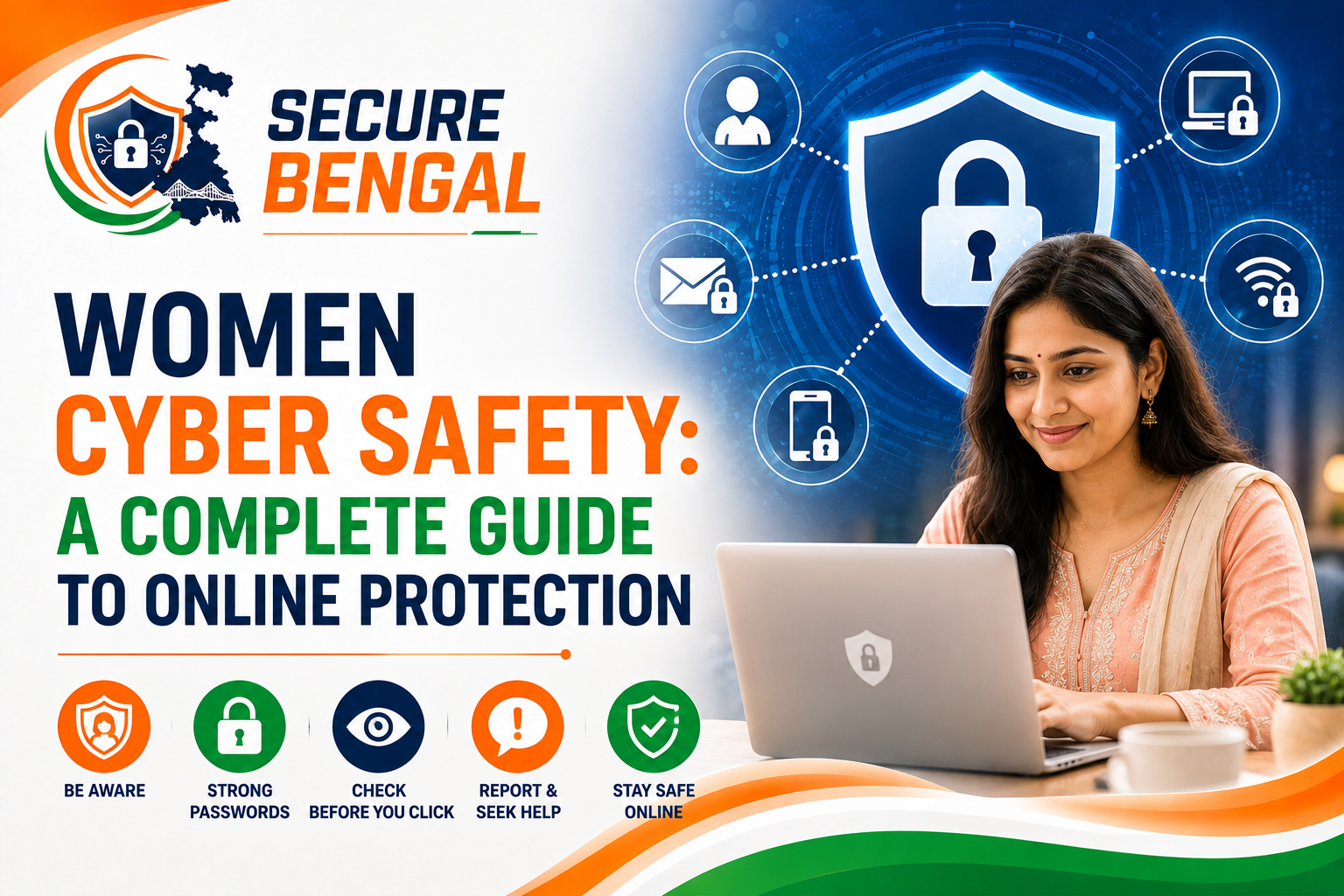
The internet has become an essential part of modern life. From social media and online shopping to digital banking and remote work, women today rely heavily on digital platforms for communication, education, and professional growth. However, along with these opportunities come serious cyber threats that specifically target women.
Cyber harassment, identity theft, online stalking, fake profiles, blackmail, phishing attacks, and privacy breaches have become increasingly common. Women of all ages can become victims of cybercrime, making digital awareness and online safety more important than ever.
This guide explains the most common online threats faced by women and provides practical steps to stay safe in the digital world.
Understanding Cyber Threats Against Women
Cybercriminals often exploit emotions, trust, privacy, and social connections to target women online. Some attacks are financial, while others aim to harass, intimidate, blackmail, or damage reputations.
Women may encounter cyber threats through:
Social media platforms
Messaging apps
Online dating apps
Email and SMS
Online shopping websites
Video conferencing platforms
Awareness is the first and most powerful defense.
Common Cyber Threats Faced by Women
1. Social Media Harassment
Social media harassment includes:
Abusive comments
Threatening messages
Cyberbullying
Fake rumors
Image misuse
Cybercriminals or online trolls may create hostile environments that affect mental well-being and personal safety.
Safety Tips
Keep profiles private whenever possible
Restrict who can view personal posts
Block and report abusive users
Avoid sharing sensitive personal information publicly
2. Fake Profiles and Identity Theft
Fraudsters often steal photos and personal information to create fake social media accounts. These fake profiles may be used for:
Financial fraud
Reputation damage
Scamming others
Online impersonation
Safety Tips
Regularly search your name online
Report fake profiles immediately
Watermark professional images if needed
Limit public sharing of personal photographs
3. Online Stalking and Tracking
Cyberstalking involves repeated online monitoring, unwanted communication, or digital surveillance.
Stalkers may:
Track social media activity
Monitor location check-ins
Send threatening messages
Attempt to access private accounts
Safety Tips
Disable unnecessary location sharing
Avoid posting live locations publicly
Review app permissions regularly
Inform trusted people if harassment continues
4. Phishing and Financial Fraud
Women using digital banking, UPI apps, or online shopping platforms may receive:
Fake bank messages
Fraudulent payment requests
OTP scams
Fake customer support calls
The goal is usually to steal money or banking credentials.
Safety Tips
Never share OTPs or passwords
Verify links before clicking
Use official apps and websites only
Contact banks directly if unsure
5. Online Dating Scams
Scammers on dating platforms often build emotional trust before asking for money or personal details.
Common tricks include:
Fake identities
Emotional manipulation
Emergency financial requests
Blackmail using private conversations or photos
Safety Tips
Avoid sharing intimate content
Verify identities through video calls
Never send money to online strangers
Meet in public places if meeting offline
6. Deepfake and Image Manipulation
Modern technology allows criminals to create fake images or videos using a person’s photographs.
These manipulated media files may be used for:
Harassment
Blackmail
Reputation damage
Safety Tips
Keep personal photos secure
Restrict public image access
Report fake content immediately
Preserve evidence for legal action
Essential Cyber Safety Practices
Use Strong and Unique Passwords
Passwords should:
Be difficult to guess
Include numbers, symbols, and letters
Be different for each account
Avoid using:
Birthdays
Phone numbers
Simple words
Password managers can help securely store passwords.
Enable Two-Factor Authentication (2FA)
2FA adds extra protection by requiring an additional verification step during login.
Even if passwords are stolen, unauthorized access becomes more difficult.
Protect Personal Information
Avoid sharing:
Home address
Phone number publicly
Daily routines
Financial details
Travel plans in real time
Oversharing online can increase vulnerability.
Keep Devices Secure
Always:
Update devices regularly
Use antivirus software
Install apps from trusted sources only
Lock devices with passwords or biometrics
Be Careful on Public Wi-Fi
Public Wi-Fi networks can be unsafe.
Avoid using public Wi-Fi for:
Banking
Shopping
Accessing sensitive accounts
Use secure networks whenever possible.
Safe Social Media Habits
Women should regularly review:
Privacy settings
Tagged photos
Friend/follower lists
Connected third-party apps
It is also important to:
Think before posting
Avoid accepting unknown friend requests
Be cautious with online challenges and trends
What to Do If You Become a Victim
If cybercrime occurs:
Stay calm and avoid panic.
Take screenshots and preserve evidence.
Block the offender immediately.
Change passwords for affected accounts.
Report the incident to the platform.
Contact cybercrime authorities or local police if necessary.
Quick reporting often helps prevent further damage.
The Importance of Digital Awareness
Cyber safety is not only about technology — it is also about awareness, confidence, and informed decision-making. Women who understand online risks are better prepared to protect themselves and others.
Families, schools, workplaces, and communities should encourage:
Cyber safety education
Open discussions about online abuse
Digital literacy programs
Support systems for victims
Conclusion
The digital world offers incredible opportunities for learning, communication, business, and self-expression. However, cyber threats continue to evolve, making online safety essential for every woman.
By practicing smart digital habits, protecting personal information, and staying alert to online scams and harassment, women can confidently navigate the internet while reducing risks.
Cyber safety begins with awareness — and awareness creates empowerment.