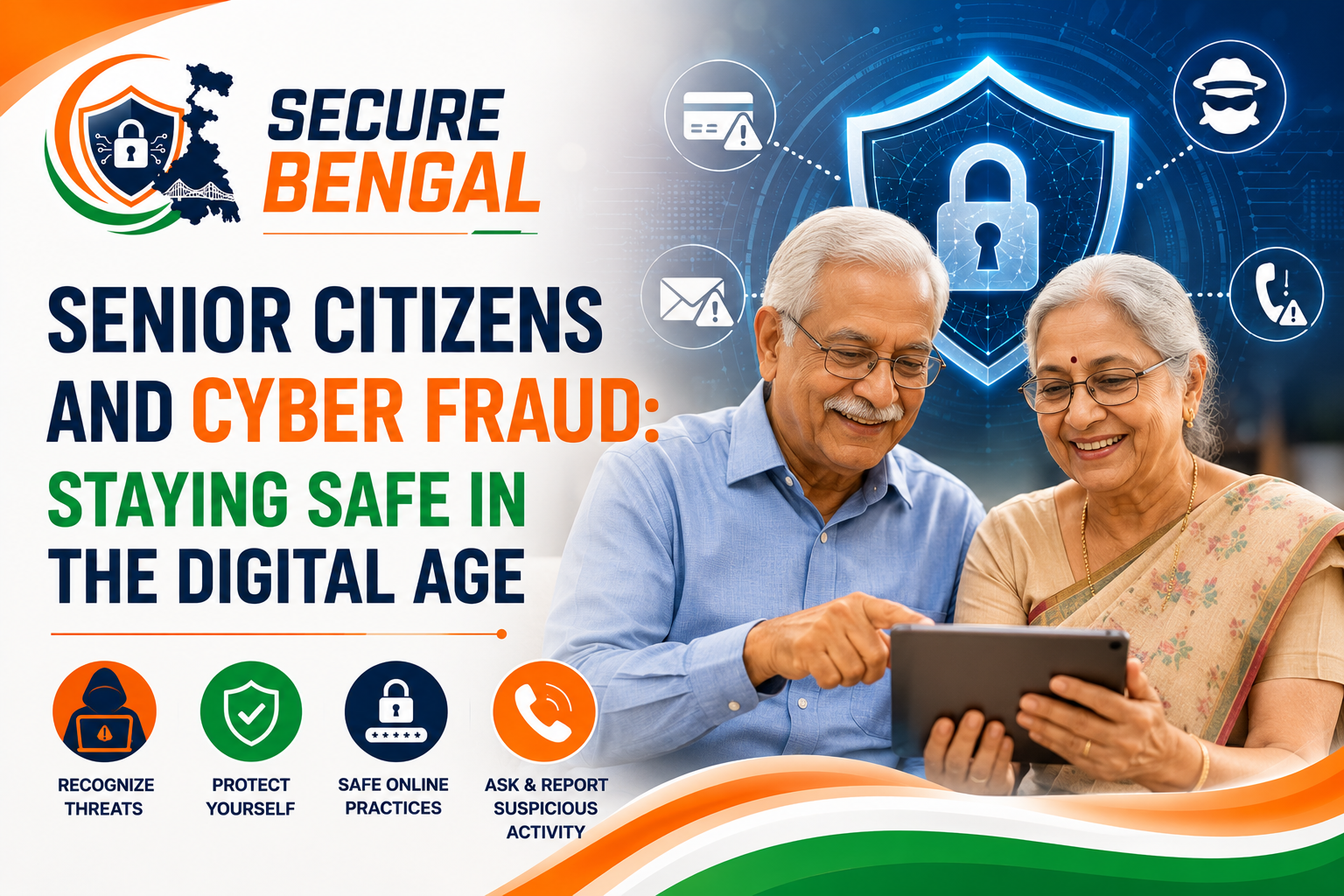
In today’s digital world, smartphones, online banking, social media, and digital payments have made life easier for millions of people. Senior citizens are increasingly using technology to stay connected with family, pay bills, shop online, and access healthcare services. While these conveniences offer many benefits, they also expose older adults to a growing threat — cyber fraud.
Cybercriminals often target senior citizens because they may be less familiar with modern online scams and digital security practices. Fraudsters use fear, trust, urgency, and emotional manipulation to steal money, personal information, and banking credentials. Understanding these risks is the first step toward staying safe in the digital age.
## Why Senior Citizens Are Common Targets
Cybercriminals frequently target older adults for several reasons:
* Many seniors are new to digital technology and may not recognize online threats.
* They are often more trusting and polite, making them vulnerable to manipulation.
* Fraudsters believe seniors may have savings, pensions, or retirement funds.
* Some elderly individuals live alone, making them easier to isolate emotionally.
Scammers carefully design their tactics to appear genuine and convincing, often pretending to be bank officials, government authorities, police officers, or even family members.
## Common Cyber Frauds Targeting Senior Citizens
### 1. Phishing Scams
Phishing involves fake emails, messages, or websites designed to steal personal information such as passwords, OTPs, ATM PINs, or banking details.
A senior citizen may receive:
* A fake bank message asking to “verify” account information
* A link claiming a KYC update is required
* A message stating the account will be blocked unless action is taken immediately
Once the victim clicks the link or shares information, fraudsters gain access to their accounts.
## 2. OTP and Banking Frauds
Scammers often pretend to be bank representatives and request:
* OTPs
* Debit or credit card numbers
* CVV numbers
* Internet banking passwords
Banks never ask for confidential details over phone calls or messages. Sharing these details can lead to instant financial loss.
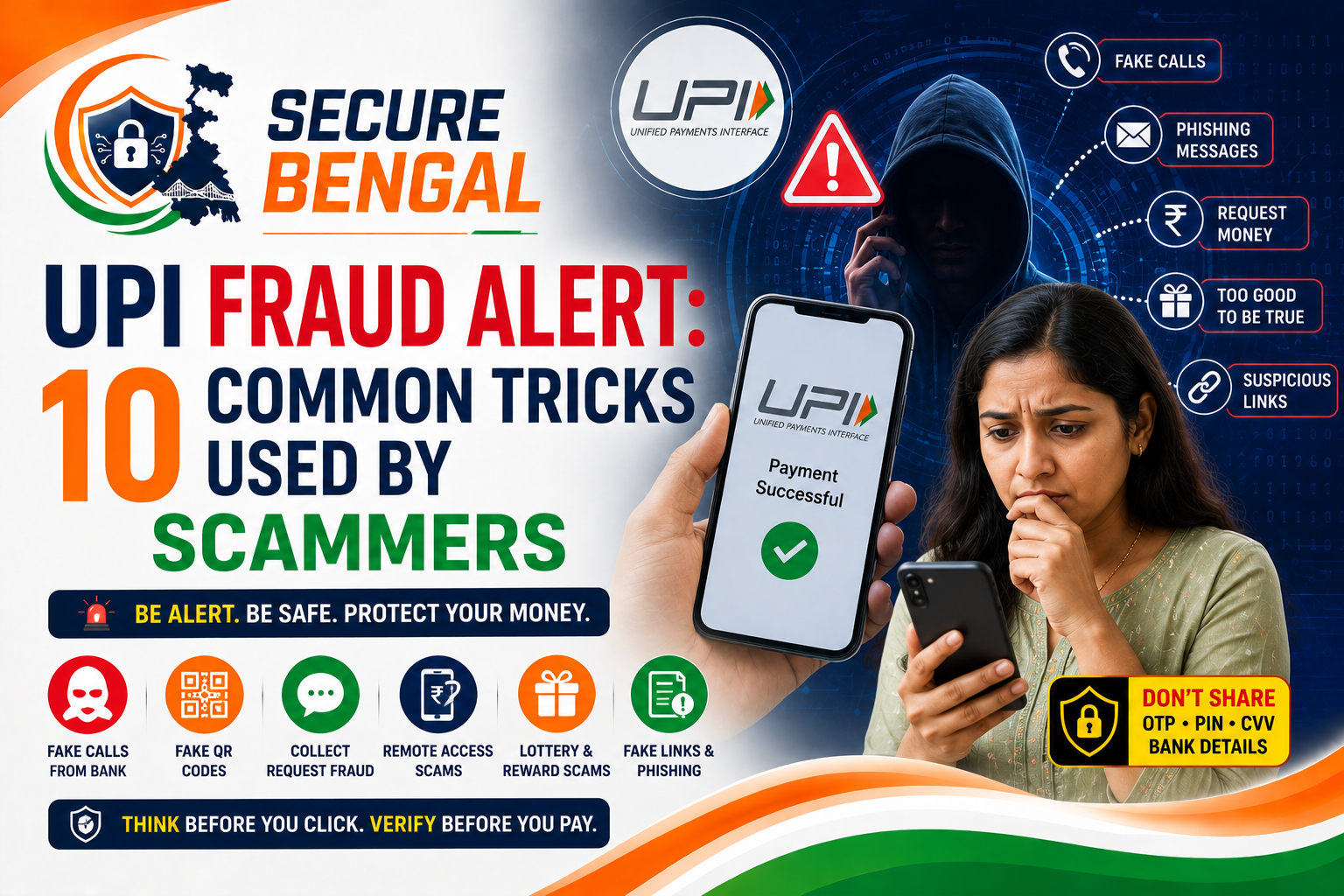
## 3. UPI and QR Code Scams
Digital payment apps have become popular among senior citizens. Fraudsters misuse this by sending fake payment requests or QR codes.
A common trick involves saying:
> “Scan this QR code to receive money.”
In reality, scanning the code authorizes a payment from the victim’s account instead of receiving money.
## 4. Tech Support Scams
Victims may receive pop-up alerts or phone calls claiming:
* Their computer has a virus
* Their device has been hacked
* Immediate technical support is needed
Fraudsters then ask victims to install remote-access software, allowing criminals to control devices and steal sensitive data.
## 5. Lottery and Prize Scams
Scammers inform victims that they have won:
* A lottery
* A lucky draw
* A government reward
To claim the “prize,” victims are asked to pay processing fees or share bank details. The promised reward never arrives.
## 6. Social Media and Impersonation Frauds
Cybercriminals create fake social media accounts using photos of relatives or friends. They then ask for urgent financial help or personal information.
Senior citizens may trust these fake identities without verifying them.
## Warning Signs of Cyber Fraud
Senior citizens should be alert if they encounter:
* Urgent messages demanding immediate action
* Calls asking for OTPs or passwords
* Suspicious links from unknown numbers
* Offers that seem too good to be true
* Requests for money from unknown individuals
* Threatening messages about bank account closure or legal action
Recognizing these warning signs can prevent serious financial losses.
## Essential Cyber Safety Tips for Senior Citizens
### Use Strong Passwords
Create passwords that:
* Are difficult to guess
* Include letters, numbers, and symbols
* Are different for each account
Avoid using birthdates or simple combinations like “123456.”
## Enable Two-Factor Authentication (2FA)
Two-factor authentication adds an extra layer of security by requiring a second verification step before logging in.
## Never Share Confidential Information
Do not share:
* OTPs
* ATM PINs
* Banking passwords
* Aadhaar numbers
* CVV details
Even if the caller claims to be from the bank or government.
## Verify Before Trusting
If you receive suspicious calls or messages:
* Contact the bank directly using official numbers
* Confirm requests with family members
* Avoid reacting emotionally or urgently
## Avoid Clicking Unknown Links
Do not click on links from:
* Unknown senders
* Suspicious emails
* Random WhatsApp messages
Fraudulent links may install malware or steal information.
## Keep Devices Updated
Regularly update:
* Smartphones
* Banking apps
* Computers
* Antivirus software
Updates often fix security vulnerabilities.
## Learn Basic Digital Awareness
Senior citizens should become familiar with:
* Common online scams
* Safe online payment practices
* Privacy settings on devices and apps
Family members can play a major role in teaching digital safety.
## The Role of Family and Society
Protecting senior citizens from cyber fraud is a shared responsibility. Families should:
* Discuss cyber risks openly
* Help seniors identify scams
* Assist with secure digital practices
* Encourage reporting suspicious activity
Banks, government agencies, and community organizations should also conduct awareness programs tailored for elderly users.
## What to Do If Fraud Happens
If a senior citizen becomes a victim of cyber fraud:
1. Immediately contact the bank and block accounts/cards.
2. Report the incident to the national cybercrime portal.
3. Inform local police authorities.
4. Change passwords for affected accounts.
5. Seek help from trusted family members or cybercrime experts.
Quick action can reduce financial damage and improve chances of recovery.
## Conclusion
Technology has transformed modern life, offering convenience and connectivity for people of all ages. However, cybercriminals continue to exploit digital platforms to target vulnerable individuals, especially senior citizens. Awareness, caution, and basic cybersecurity practices can significantly reduce the risk of fraud.
By staying informed, verifying suspicious communications, and seeking support when needed, senior citizens can confidently enjoy the benefits of the digital world while staying safe from cyber threats.