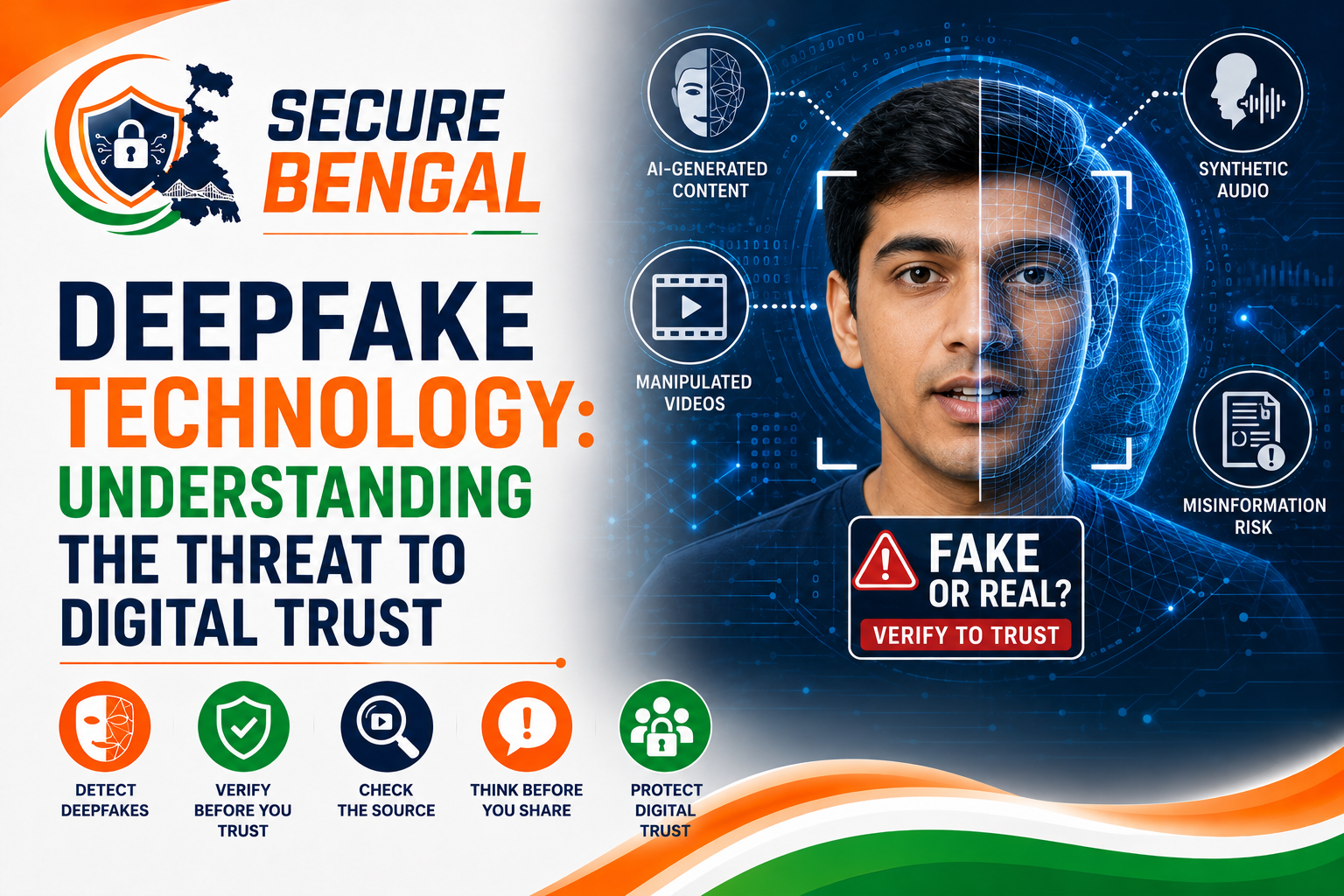
In the digital age, technology continues to evolve at an extraordinary pace. Artificial Intelligence (AI) has transformed industries, improved communication, and created powerful new tools for creativity and innovation. However, alongside these advancements has emerged a dangerous challenge — deepfake technology.
Deepfakes are highly realistic fake videos, images, or audio recordings created using artificial intelligence and machine learning. They can make it appear as though someone said or did something they never actually did. While the technology has legitimate uses in entertainment and education, it also poses serious risks to privacy, security, reputation, and public trust.
As deepfake technology becomes more accessible and sophisticated, understanding its impact has become essential for individuals, organizations, and society as a whole.
What Is Deepfake Technology?
The term “deepfake” combines:
“Deep learning” (a form of AI)
“Fake” media content
Deepfake systems analyze large amounts of photos, videos, or audio recordings of a person and use AI models to mimic:
Facial expressions
Voice patterns
Lip movements
Gestures
Emotions
The result can be an extremely convincing fake video or audio clip that appears authentic.
Today, even basic smartphone apps can generate manipulated media within minutes, making deepfake technology more widespread than ever before.
How Deepfakes Are Created
Deepfakes are generally produced using AI techniques such as:
Machine learning
Neural networks
Generative Adversarial Networks (GANs)
The process often involves:
Collecting images, videos, or voice samples
Training AI models to imitate the target person
Generating realistic fake content
Editing and refining the final output
As AI tools improve, distinguishing fake content from genuine media becomes increasingly difficult.
Positive Uses of Deepfake Technology
Although deepfakes are often associated with misuse, the technology also has beneficial applications.
Entertainment and Film Industry
Film studios use deepfake-style technology for:
Visual effects
Voice recreation
De-aging actors
Dubbing content into multiple languages
Education and Training
Educational platforms may use AI-generated simulations to create:
Historical recreations
Interactive learning experiences
Language training tools
Accessibility and Communication
AI voice synthesis can assist individuals with speech impairments by recreating natural-sounding voices.
These positive applications demonstrate that the technology itself is not inherently harmful — misuse is the real concern.
The Dangers of Deepfake Technology
1. Misinformation and Fake News
Deepfakes can spread false information rapidly across social media.
Fake videos of:
Political leaders
Celebrities
Public officials
News reporters
can influence public opinion and create confusion before the truth is verified.
This poses a serious threat to democracy, journalism, and social stability.
2. Financial Fraud and Scams
Cybercriminals now use AI-generated voices and videos to impersonate:
Company executives
Bank officials
Family members
Victims may be manipulated into:
Sending money
Sharing sensitive information
Approving fraudulent transactions
Voice-cloning scams are becoming increasingly common.
3. Reputation Damage
Deepfake videos can falsely portray individuals in embarrassing or harmful situations.
Victims may face:
Public humiliation
Career damage
Emotional distress
Loss of trust
Even after fake content is exposed, reputational harm may remain.
4. Privacy Violations
Personal photos and videos shared online can be misused to create manipulated content without consent.
This is especially harmful when targeting:
Women
Public figures
Students
Professionals
Privacy invasion through AI-generated media is a growing concern worldwide.
5. Threats to Digital Trust
One of the most dangerous effects of deepfakes is the erosion of trust.
People may begin to question:
Real videos
News reports
Recorded evidence
Online communication
When fake content becomes indistinguishable from reality, trust in digital media weakens significantly.
How to Identify Deepfakes
Although deepfakes are becoming more realistic, some warning signs may help identify manipulated content.
Visual Clues
Watch for:
Unnatural facial movements
Blurred edges around the face
Irregular blinking
Poor lip synchronization
Inconsistent lighting or shadows
Audio Clues
Be cautious of:
Robotic voice tones
Unnatural pauses
Odd pronunciation patterns
Contextual Verification
Always:
Verify information through trusted news sources
Cross-check videos from multiple platforms
Question emotionally shocking content
Critical thinking is essential in the age of AI-generated media.
Protecting Yourself from Deepfake Threats
Limit Public Sharing of Personal Media
Avoid oversharing:
High-quality facial images
Voice recordings
Personal videos
Public content can be used to train AI systems.
Strengthen Digital Privacy
Use:
Strong passwords
Two-factor authentication
Privacy settings on social media
Protecting accounts reduces the risk of data misuse.
Verify Before Believing or Sharing
Before forwarding videos or audio clips:
Confirm authenticity
Check trusted news sources
Avoid spreading unverified content
Responsible sharing helps reduce misinformation.
Educate Yourself About AI Threats
Digital awareness is becoming a critical life skill. Understanding how deepfakes work helps people recognize manipulation attempts more effectively.
The Role of Governments and Technology Companies
Governments and tech companies worldwide are working to address deepfake-related risks through:
AI detection tools
Cybercrime laws
Content moderation systems
Digital watermarking technologies
Social media platforms are also developing systems to detect and label manipulated content.
However, the rapid growth of AI technology makes regulation and enforcement challenging.
The Future of Deepfakes
Deepfake technology will likely continue to improve in realism and accessibility. While it offers creative and educational opportunities, it also demands stronger cybersecurity awareness and ethical responsibility.
The future will require:
Better AI detection systems
Stronger digital literacy
Responsible AI development
Global cooperation against misuse
Trust in digital information will increasingly depend on our ability to identify and respond to manipulated media.
Conclusion
Deepfake technology represents both the power and the danger of artificial intelligence. While it has positive applications in entertainment, education, and accessibility, its misuse threatens privacy, security, reputation, and public trust.
In a world where seeing is no longer always believing, digital awareness and critical thinking have become essential. By understanding deepfake technology, verifying online content carefully, and practicing responsible digital behavior, individuals and society can better protect themselves from the growing risks of AI-generated deception.
The fight against deepfakes is not only about technology — it is about preserving trust in the digital age.