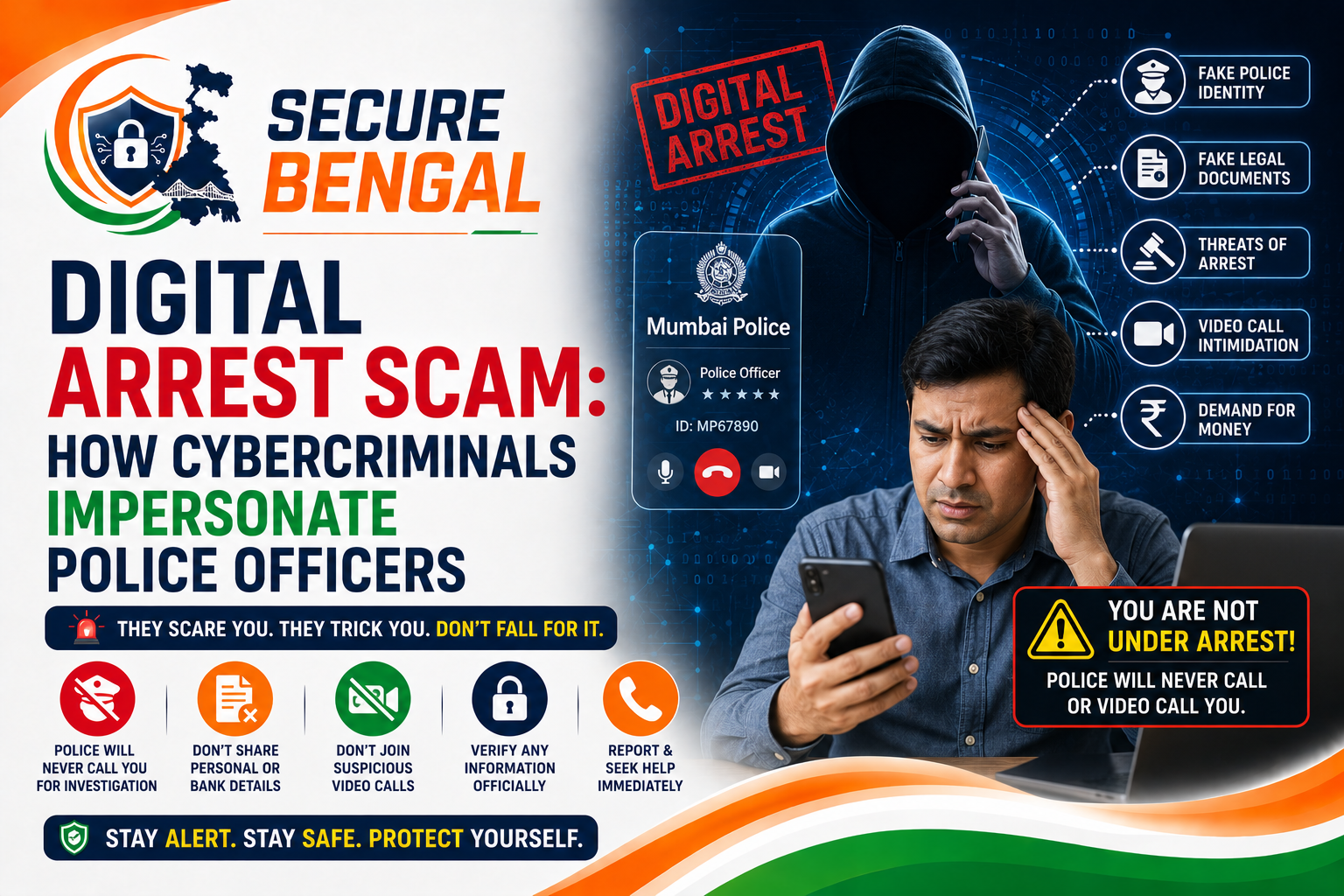
As cybercrime continues to evolve, fraudsters are constantly inventing new ways to manipulate and exploit people. One of the most alarming scams emerging in recent years is the “Digital Arrest Scam.” In this fraud, cybercriminals impersonate police officers, government agencies, or investigative authorities to create fear and pressure victims into transferring money or sharing sensitive information.
These scams rely heavily on psychological manipulation. Victims are often threatened with arrest, legal action, or criminal charges, causing panic and confusion. Many people, including professionals, students, and senior citizens, have lost significant amounts of money after falling victim to such fraudulent schemes.
Understanding how digital arrest scams work is essential for protecting yourself and others from financial and emotional harm.
What Is a Digital Arrest Scam?
A digital arrest scam is a form of cyber fraud where scammers pretend to be:
Police officers
Cybercrime officials
Customs officers
CBI or law enforcement personnel
Telecom or government authorities
The fraudsters falsely accuse victims of involvement in crimes such as:
Money laundering
Drug trafficking
Illegal banking activities
SIM card misuse
Cybercrime operations
Victims are then pressured into:
Transferring money
Sharing banking information
Revealing Aadhaar or PAN details
Staying isolated during the “investigation”
The scammers create a false sense of legal danger to gain control over the victim.
How the Scam Typically Works
1. The Fake Call or Message
Victims receive:
Phone calls
Video calls
SMS messages
WhatsApp notifications
The scammer may claim:
“Your phone number is linked to criminal activity.”
or
“A warrant has been issued against you.”
The goal is to create immediate fear.
2. Impersonation of Authorities
Scammers often use:
Fake police uniforms
Forged identity cards
Official-looking documents
Spoofed phone numbers
Video calls may show individuals dressed as police officers sitting in fake office setups to appear legitimate.
3. Threats and Psychological Pressure
Victims are told:
They will be arrested immediately
Their bank accounts will be frozen
Family members may face legal trouble
They must cooperate secretly
Fraudsters often instruct victims not to speak to anyone during the “investigation.”
4. Demand for Money
The scammers eventually demand:
“Verification deposits”
“Security transfers”
“Fine payments”
“Temporary account monitoring”
Victims are pressured to transfer money quickly to avoid arrest.
5. Isolation and Continuous Monitoring
In some cases, victims are kept on video calls for hours while scammers monitor their activities to prevent them from contacting real authorities or family members.
Why These Scams Are Effective
Digital arrest scams work because they exploit:
Fear of law enforcement
Lack of legal awareness
Panic and emotional stress
Trust in authority figures
Most people react emotionally when accused of criminal activity, making it easier for scammers to manipulate them.
Warning Signs of a Digital Arrest Scam
Be suspicious if you receive:
Calls claiming immediate arrest
Demands for secrecy
Requests for money transfers
Threats involving police or government agencies
Video calls from “officials” demanding payments
Pressure to act urgently without verification
Legitimate law enforcement agencies do not conduct investigations by demanding payments through digital platforms or UPI transfers.
How to Protect Yourself
Stay Calm
Scammers depend on panic and fear. If you receive threatening calls:
Do not panic
Do not make quick decisions
Take time to verify claims
Remaining calm is your strongest defense.
Verify Independently
If someone claims to be from:
Police
Cybercrime department
Government agency
disconnect the call and contact the official organization directly using verified contact information.
Never Transfer Money Under Pressure
No legitimate authority will ask for:
UPI payments
Gift cards
Cryptocurrency
“Verification deposits”
to avoid arrest or legal action.
Do Not Share Personal Information
Never reveal:
OTPs
Banking credentials
Aadhaar numbers
PAN details
Passwords
over calls or messages.
Inform Family Members
Discuss such scams with:
Parents
Senior citizens
Friends
Children
Awareness reduces vulnerability.
What to Do If You Become a Victim
If you suspect you have been targeted:
Stop communication with the scammer immediately.
Contact your bank and secure accounts.
Change passwords and PINs.
Report the fraud to cybercrime authorities.
Preserve screenshots, recordings, and transaction details as evidence.
Quick reporting can help reduce financial damage and assist investigations.
The Role of Digital Awareness
As cybercriminals become more sophisticated, public awareness is becoming one of the most important tools against fraud. Schools, workplaces, banks, and community organizations should educate people about:
Social engineering scams
Online impersonation
Financial fraud tactics
Cyber safety practices
Digital literacy is no longer optional — it is essential.
Conclusion
Digital arrest scams are dangerous because they combine technology with psychological manipulation. By impersonating police officers and government officials, cybercriminals create fear to pressure victims into making costly mistakes.
However, awareness, calm decision-making, and basic cyber safety practices can help people recognize and avoid these scams. Real law enforcement agencies do not demand instant digital payments or conduct secret investigations over video calls.
In the digital age, staying informed is one of the best ways to stay protected.